I just did high school graduation.
I mean, yes, I graduated from high school a long time ago. But it feels like I just did it again, with my eldest now off on her college adventure.
While it was exciting to walk those steps again, I can assure you it’s just as crazy, fun, stressful, and anxiety-inducing as it was the first time around. The test prep, the essays, the decision making, the early admissions, the “you’re in” or “we’ve had an overwhelming number of applications,” the grad parties, and then the send-off. Whew. Even as I write this, I’m thankful our second oldest is still just a 10th grader.
A big part of that process, of course, was college applications. And as parents, we’re constantly trying to read the tea leaves and figure out what matters most to admissions officers, and what doesn’t?
A few years back, I sat in on a webinar for newbie parents with college counselors across the country, and one moment made me literally high-five my daughter. A college admissions officer said: “And don’t forget to add your summer extracurriculars to your story – we want to know if you’ve participated in programs like Wilderness Adventures or Outward Bound, which add to your story, and that show you can go away from home and be successful.”
Hey hey!! Love that. Love it as a dad and as the guy running WA.
But I also know the pressure parents feel to fill summers with things that look “productive.” And in all my connections with kids over the years… the concern is clearly with the parents and not the child. “My mom thinks I need to do an academic program this summer,” or “my dad says I need an internship somewhere,” is a refrain I hear so often from kids (and usually in a sad tone).
So I wanted to dig deeper: is Wilderness Adventures actually as valuable as I believe it is for college-bound kids? To get perspective, I sat down with Bonnie Stewart, a veteran advisor with Smart College Selection, who works with families across the country to assist high schoolers and their parents as they navigate the college admissions process.
More Than a Resume
For years, we in the camp industry have known how good programs like WA are for the development of children. However, what I wanted to know from Bonnie was something different. I wanted to know if colleges saw a student’s participation in our programs as an asset. I mean I heard it anecdotally from that one college admissions counselor, and I know that countless Wilderness Adventures alumni wrote their college essay about our trips… but was it really true? So, I went into the conversation with one overarching question in mind: is WA good for a student’s resume?
And right off the bat, it seems like I was thinking about this all wrong.
Bonnie immediately reframed the whole conversation: “It’s not about building the resume, Tom, it’s about building the child. And colleges do care about this.”
She reminded me that there is no single formula admissions teams use. What colleges want to see is growth. As she put it: “investing in your child’s personal growth is probably the best starting point. You can have a perfect resume, but if nothing stands out, colleges might not be that excited. What’s compelling is resilience, self-reflection, and caring for others.”
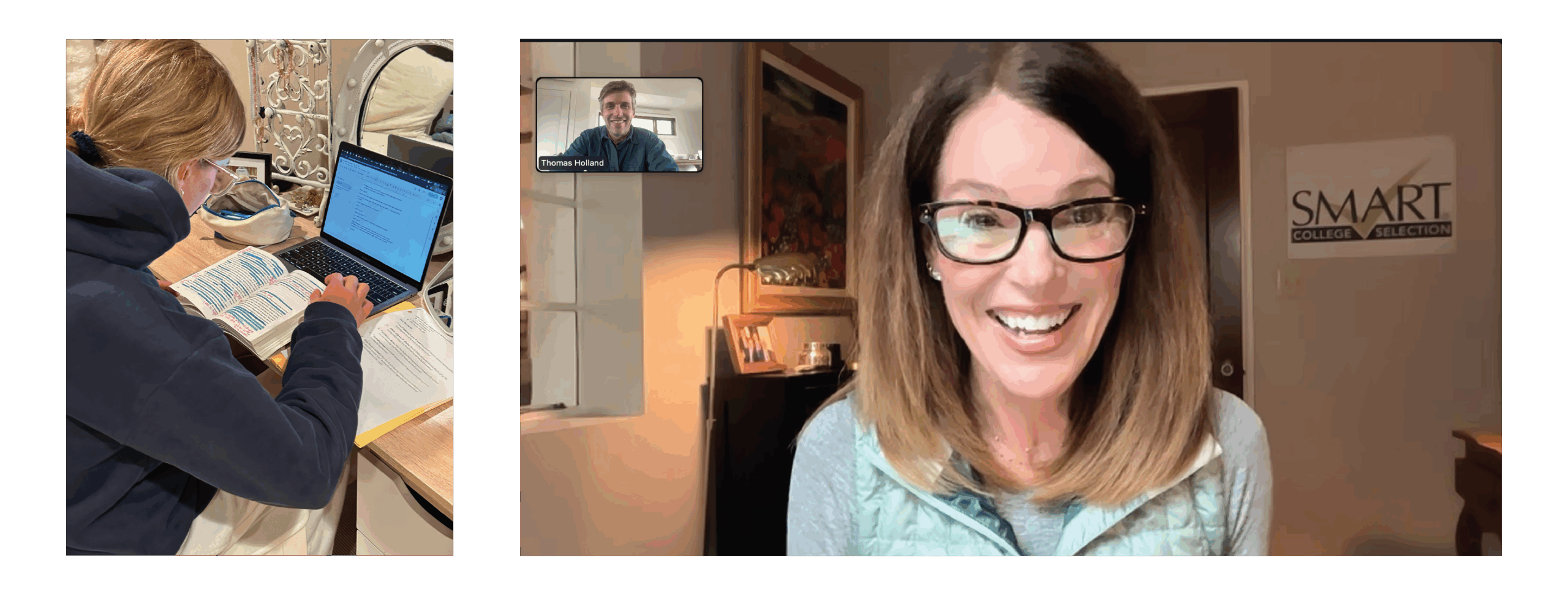
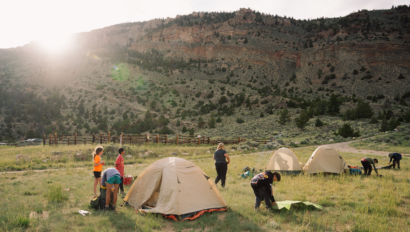
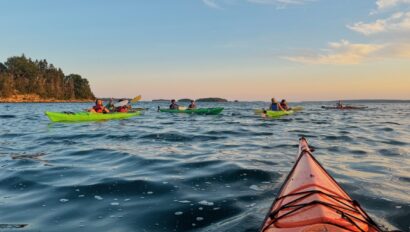
In our discussion it became clear that yes, colleges care about grades (Holland gang, don’t throw in the towel on that homework!), test scores, and performance. But more and more, they emphasize qualities a high schooler cannot fake: resilience, empathy, collaboration, initiative, and an outward focus. On a WA trip, those aren’t abstract values, they’re daily practice. Kids cook for teammates, tend to blisters, navigate uncertainty, and take turns leading. And because of our program’s historic value proposition, college admissions counselors are aware that camps and programs like WA are hot beds for teaching these values.
Standing Out: Character and Credentials
Bonnie was clear that the “formula” parents chase, stacked resumes of academic programs, internships, and test prep, doesn’t guarantee admission. It is crazy to hear stories of some kids who on paper looked “perfect” if one just looked at test scores and grades, who did not get into a particular school. She hears directly from colleges that they are looking for interesting people.
“Different is good,” she told me. “So many kids look great (and similar) on paper. What separates them is character. The resilience, empathy, and judgment that make them good roommates and citizens on campus.”
WA trips naturally create those stories as we are a program where we challenge kids to dig deep and do hard things. As Bonnie reminded me, “Colleges are looking for resilient kids. They love stories of falling down and getting back up, and Wilderness Adventures is known to develop that.”
Another point Bonnie made was about depth. A “shotgun” list of summer programs may look busy, but it doesn’t necessarily show commitment and colleges can spot this. Coming back to WA or programs similar to WA, across multiple summers, growing in skill, responsibility, and leadership, creates an arc that admissions officers can trace. At WA, we formalize this with levels and leadership roles that highlight continuity and growth. Commitment shows heart and passion for something. That passion for something lends to your story and will make a student stand out as interesting.
A Boost to the College Essay, Too
We’ve loved when our students send us their college application essays where they wrote about their WA experience. I did it myself years ago, and countless alumni have, too. And Bonnie sees the same thing in her students.
There are two benefits that Bonnie sees our programs offering the college essay process.
- The disconnected nature of our trips is a real asset. Bonnie shares: “Disconnected time offers the chance to reflect: Who am I? What do I care about? What matters to me? That self-reflective space that Wilderness Adventures offers is a true gift.” I love that. I have always valued our disconnected programs and what they do for kids. But I never thought about how the quiet lets kids think and contemplate about who they are.
- Pure content. The tales of life in the middle of nowhere are compelling. They can show passion, leadership and grit, and during our conversation, she recalled a few of her students’ essays that pertained to programs like ours.
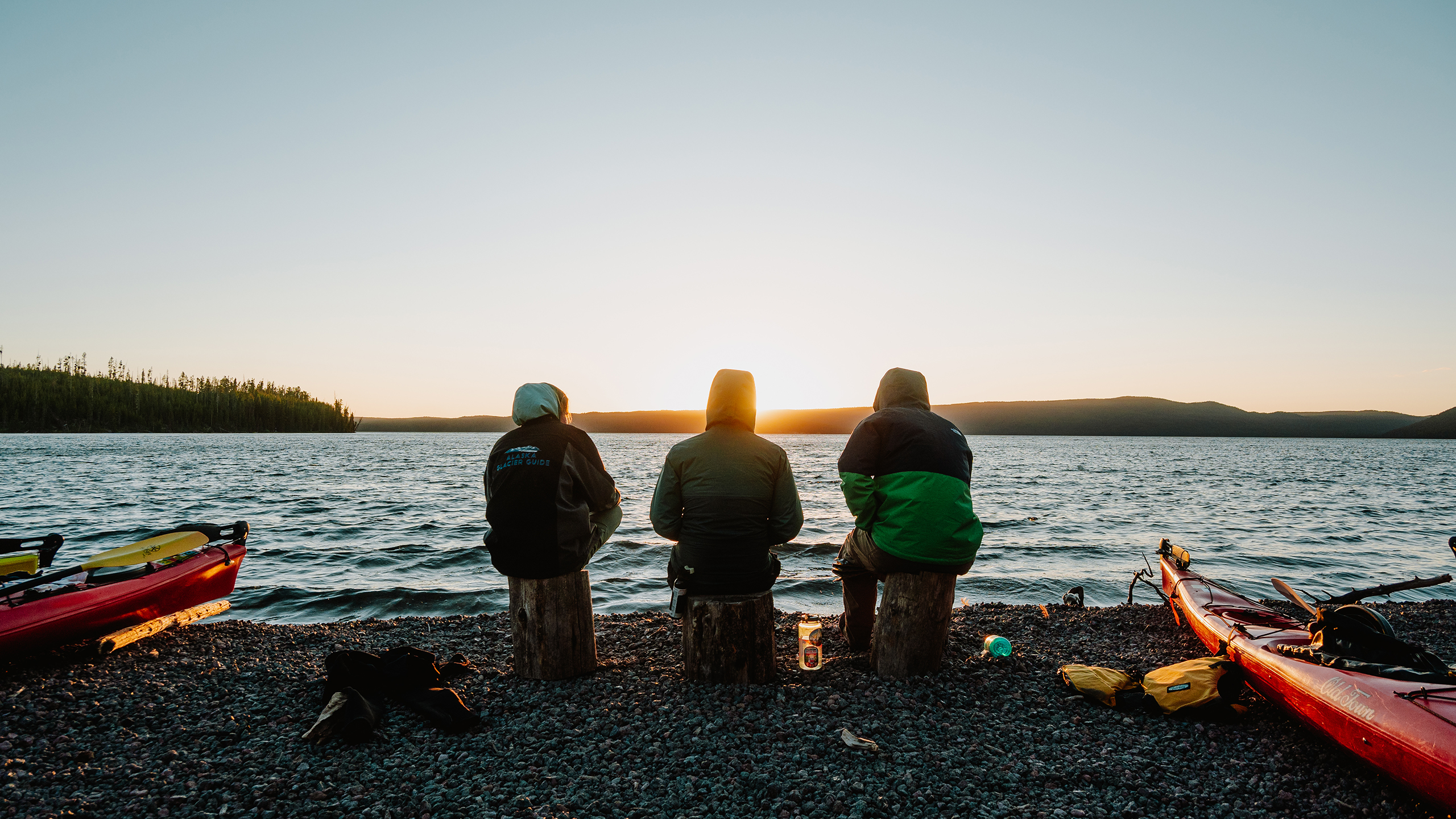
To wrap this up, I have to highlight this excerpt, which was written for entrance into Johns Hopkins School of Medicine by a WA alum (and one of Bonnie’s students) about his own WA trip:
“As I sat in the middle of Shoshone Lake in Yellowstone National Park as a thirteen-year-old, 20 miles from the nearest road, I remember for the first time falling in love with the natural world. The reflection of the crimson sunset to the west and the sound of wolves howling in the distance ignited a passion within me that continues to burn.”
… and for the parents at home wondering, yes, he got into the school!
Tom’s Final Thought
In talking with Bonnie, it became clear that the two of us have a similar passion: helping young people be their best selves. Ultimately, isn’t that what we all want as parents? We can get caught up in the process of doing our upbringing, but ultimately, most of the parents I know, even those obsessed with college resume building, want the same thing: for our kids to find success in life, to love and be loved, to find purpose and to feel success. And coming away from our conversation, it is clear to me that Wilderness Adventures, for so many, can be a means to that end.
To learn more about Bonnie Stewart, the Smart College Selection process and how they might assist you and your child on the journey to college visit: smartcollegeselection.com.