Outdoor Education
The 1980s: The Childhood Experience Young People Are Searching For
July 1, 2026
My high school kids are fascinated with the 1980s. I originally thought this had something to do with the popularity of Stranger Things, but I think it is something different.
Kids right now long to be in a simpler time, curious about what it felt like to grow up with fewer digital interruptions where phones were not ever present.
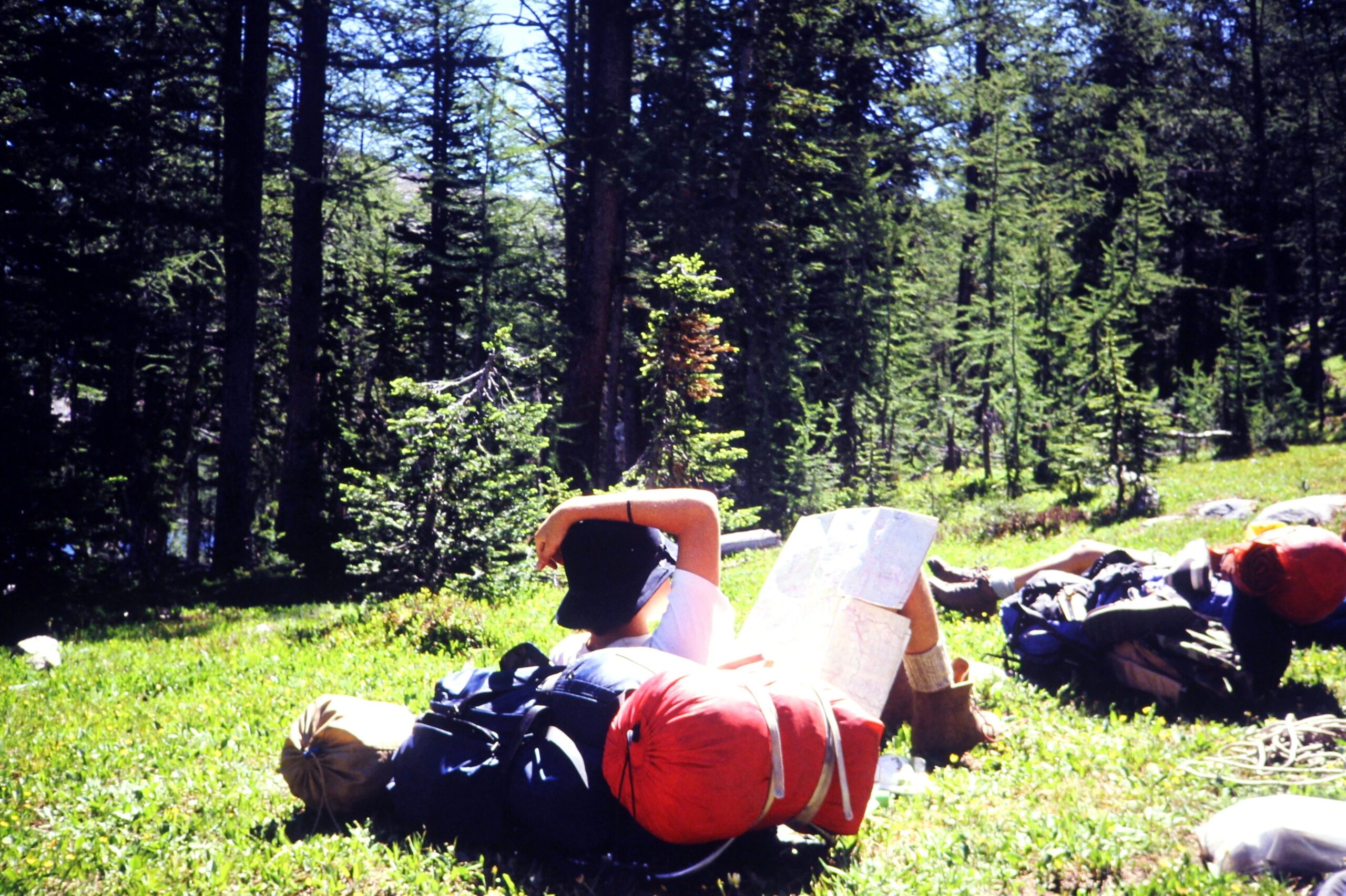
I tell my kids stories of growing up in the 80s and summer nights spent rolling through neighborhoods on bikes. They love to hear how we communicated with friends back then (home phones!) and how we navigated the roads (memorization and maps!). They also love to hear how we played with one another.
My 14-year-old daughter asked me the other day how my parents would track me through the day. It was a natural and thoughtless question for her, but it hit me hard. They did not, I said, which left her and I both dumbfounded. There was no way to track your kids (like so many of us parents do today), so you relied on them checking in when they got to the next phone.
Last week, I joined a group of high school students for a time on one of our programs. We collected their phones at the outset of their adventure and while there were a few awkward moments at first something remarkable happened shortly thereafter: the students settled into the rhythm of being together.
Conversations became longer. Jokes became funnier. Meals lingered. Friendships formed more quickly. They played cards. They fished and skipped rocks. They argued about music and movies. They sat around a campfire and told stories. They did all the things that teenagers have always done, but that are increasingly crowded out by screens.
What struck me most was that these students were not trying to recreate the 1980s. They were simply experiencing some of the conditions that made growing up in that era so memorable.
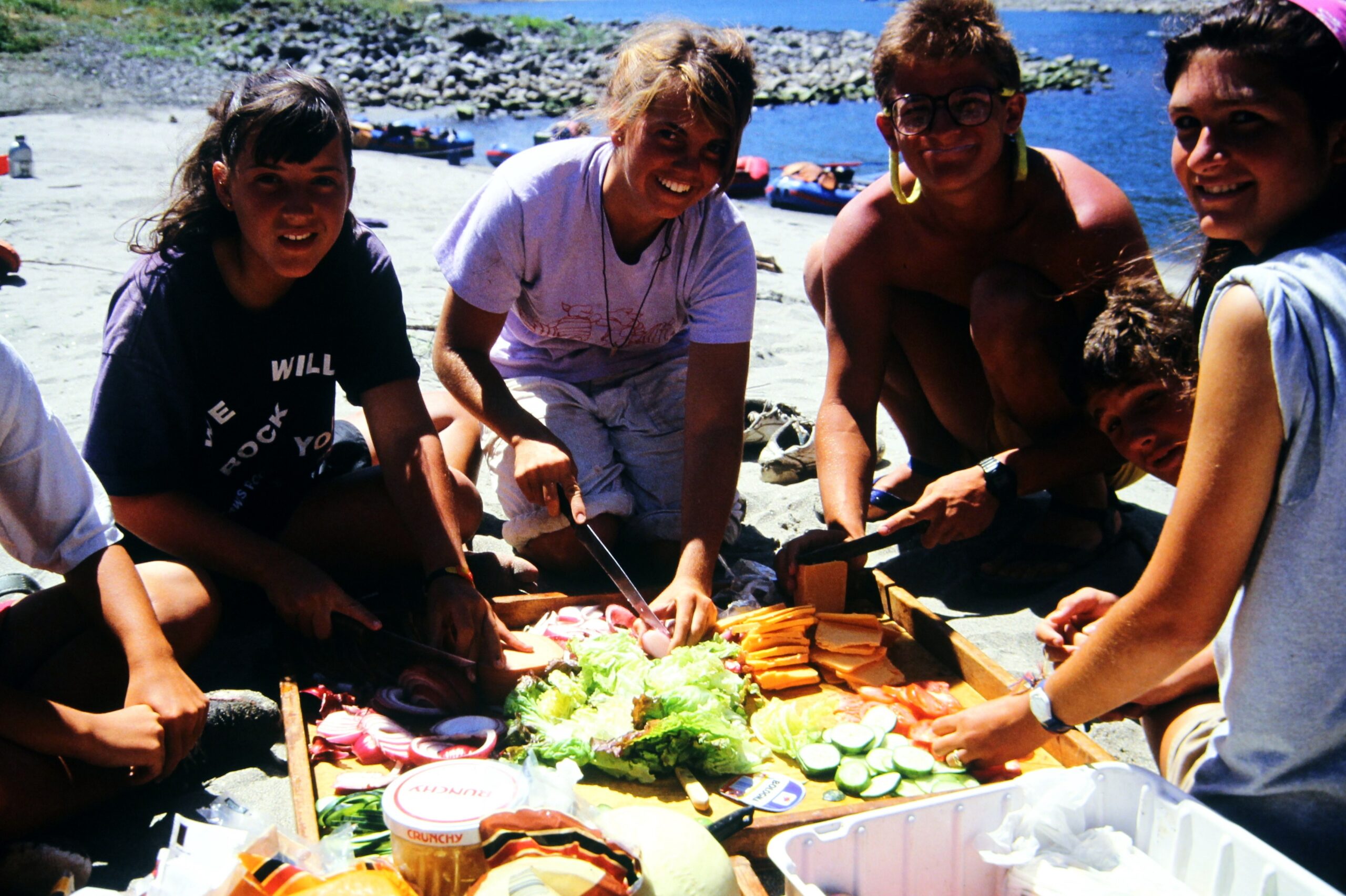
Jonathan Haidt and other researchers have argued that young people today have fewer opportunities for the independence, free play, and face-to-face experiences that were once common parts of growing up. Perhaps that helps explain an interesting trend: many young people are increasingly drawn to nostalgia for times they never experienced. Vinyl records, film cameras, old vehicles, vintage clothing, and even old malls have found new popularity. I suspect this is not because kids want to live in the past. It is because they are searching for something they feel is missing in the present.
They are searching for uninterrupted time with friends. They are searching for independence and adventure. They are searching for moments that belong entirely to them rather than to an audience online.
The irony is that many of the things kids romanticize about the 1980s are still available today. They simply require us to intentionally create space for them. That is one of the reasons I believe so deeply in what we do for kids. Our programs are not designed to help kids escape technology forever. Technology is useful and here to stay. But for a few days, weeks, or however long the student is with us each summer, we give young people something increasingly rare: the opportunity to be fully present.
To navigate with a map. To solve problems with friends. To laugh until their stomach hurts. To stay up late talking under the stars. To discover that they are more capable than they realized. To come home with stories that belong entirely to them.
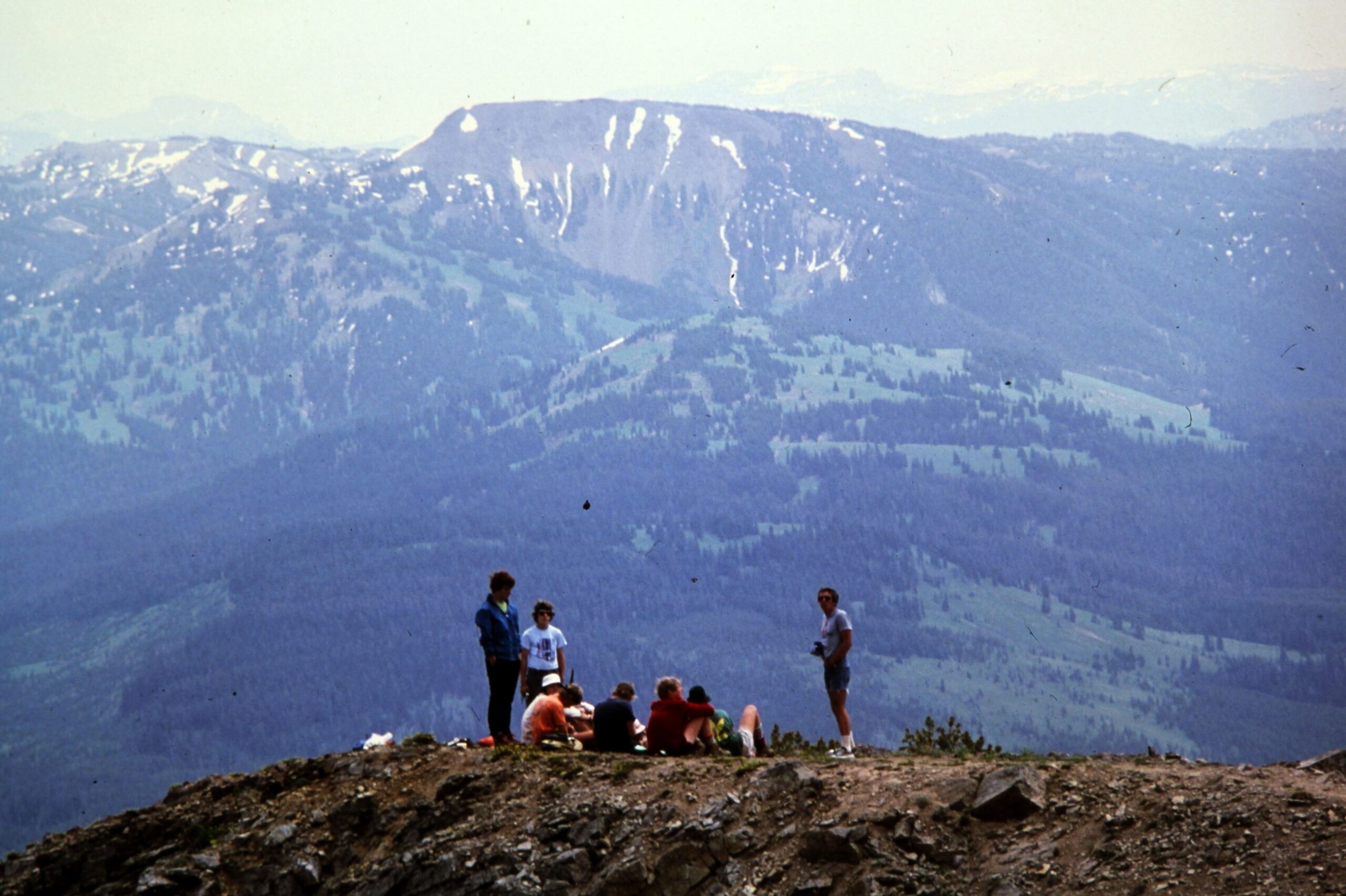
Maybe what young people admire most about the 1980s isn’t just the music, the movies, or the fashion. Maybe it’s the freedom. And the good news is, that freedom is still available today.
Two of my daughters leave for their Wilderness Adventures trips in two weeks, and my son will be headed off to Camp New Fork. While I know they will continue to marvel at the 1980s, I am excited for them to experience the very things that made those stories memorable in the first place: freedom, adventure, friendship, and a little healthy independence. Those things are not relics of another era. They are alive and well on trails, around campfires, and in the kinds of experiences that young people still remember decades later.